Important: Please do install at your earliest convenience all necessary tools/dependencies before hands-on sessions.
Introductory lectures
By Antoine Taly (CNRS/IBPC, Univ. Paris Cité)
- Monday – RNA data, structure representations and black boxes [Slides]
- Tuesday – RNA partners, allostery and the dimensionality of models [Slides]
- Thursday – Our responsibility and the importance of documenting modeling choices [Slides]
- Friday – RNA design and the cost of drugs [Slides]
From sequence to 2D structure
Lecture by Ivo Hofacker (TBI, Univ. Vienna, Austria)
Assisted by Leonhard Sidl (TBI, Univ. Vienna, Austria)
[Lecture slides 1] [Lecture slides 2]
[Hands on instructions]
[Hands on assignment] [Hands on slides]
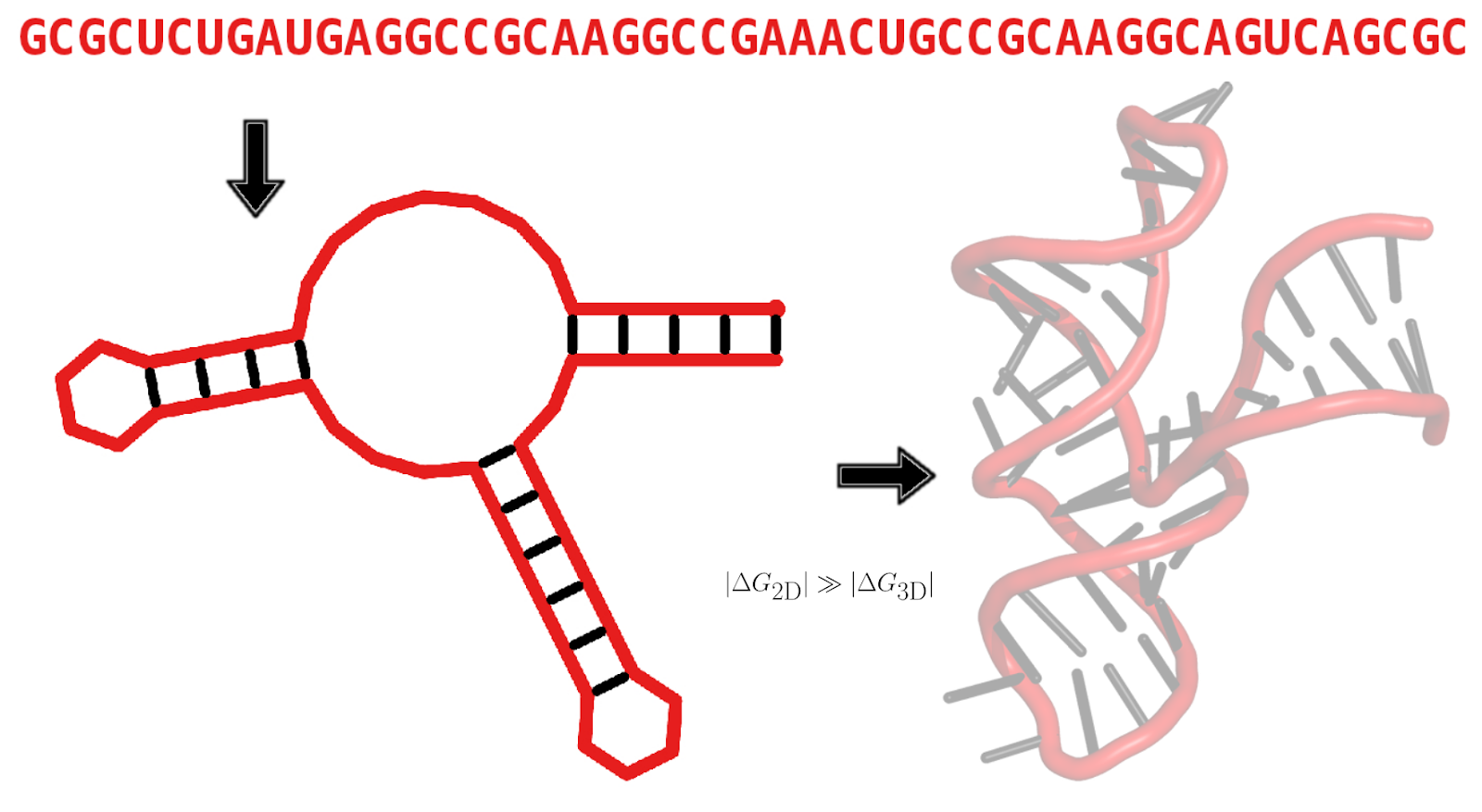
- Basics of RNA 2D and 3D structure
- The nearest neighbor energy models
- RNA folding by Dynamic Programming
- Minimum free energy structures
- Partition-function and pair probabilities
- Suboptimal structure prediction
- MEA and centroid structures
- Extensions to Pseudoknots, G-quadruplexes
- RNA-RNA interactions
Modeling RNA-protein interactions
Lecture by Kalli Kappel (UCLA, Los Angeles, USA)
[Lecture slides]
[Hands on instructions]
[Detailed instructions to install Draffter]
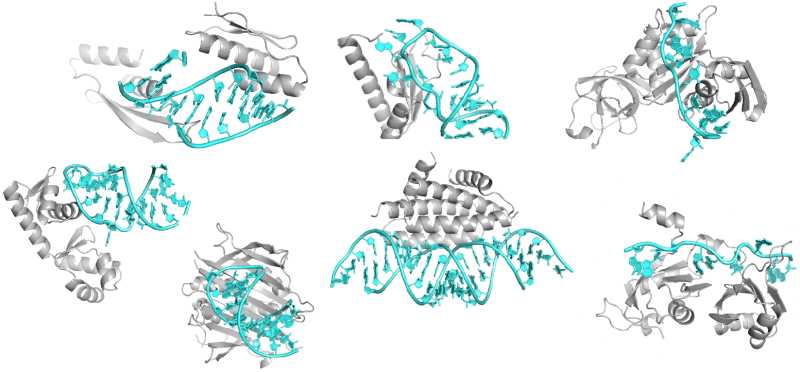
- Intro to 3D structures of RNA-protein complexes and general principles
- Overview of experimental techniques
- Overview of existing experimental data
- Physics- and knowledge-based computational approaches to modeling RNA-protein complexes
- Deep learning methods for modeling RNA-protein complexes
From sequence to 3D structure
Lecture by Marcin Magnus (Harvard University)
[Lecture slides]
[Hands on instructions]
- RNA 3D structure: why secondary structure isn’t enough — and when structure actually matters
- RNA 3D structure prediction with AlphaFold3
- RNA–protein interfaces modeling with Flow Matching models
- (maybe) Sequence Is All You Need! – sequence design (including therapeutics) with Large Language Models
Modeling RNA-ion interactions
Lecture by Elise Duboué-Dijon (LBT, CNRS, Paris)
[Lecture slides]
- Topic overview: why does it matter, why is it challenging, what do we know, and what is still unclear?
- MD simulations basics, including advanced force field approaches (e.g. polarisable ff)
- Various approach to capture ion-RNA interactions: explicitly polarizable force fields, implicit polarization approaches
- How to assess performances of these approaches?
- The sampling problem: possible ways to solve it?
Algorithms for RNA design
Lecture by Sebastian Will (LIX, Ecole Polytechnique, France)
Assisted by Hua-Ting Yao (TBI, Univ. Vienna, Austria)
[Lecture slides]
[Hands on instructions]
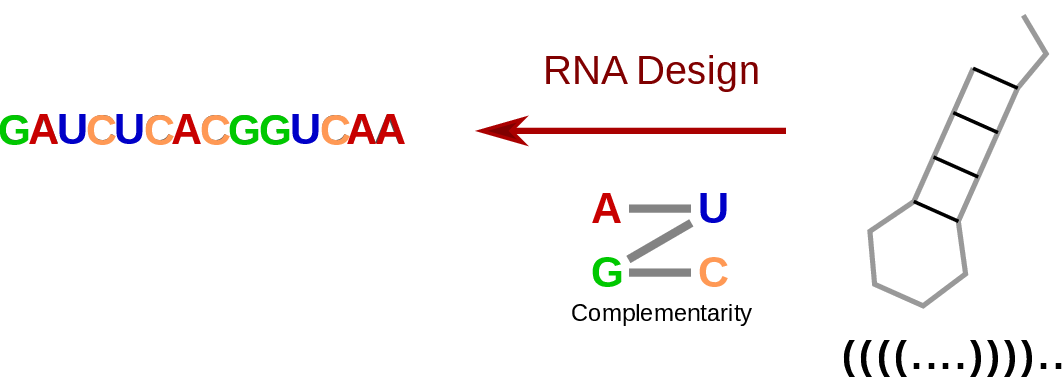
- Intro to RNA design: Positive and negative design objectives
- Complex positive design powered by tree-decomposition and declarative modeling
- Negative design by stochastic optimization
- Brief intro to generative models for design
Integrative RNA modeling 1: SAXS and MD simulations
Lecture by Liuba Mazzanti (BioCIS, Paris-Saclay Univ, France)
[Lecture slides]
[Hands on instructions]
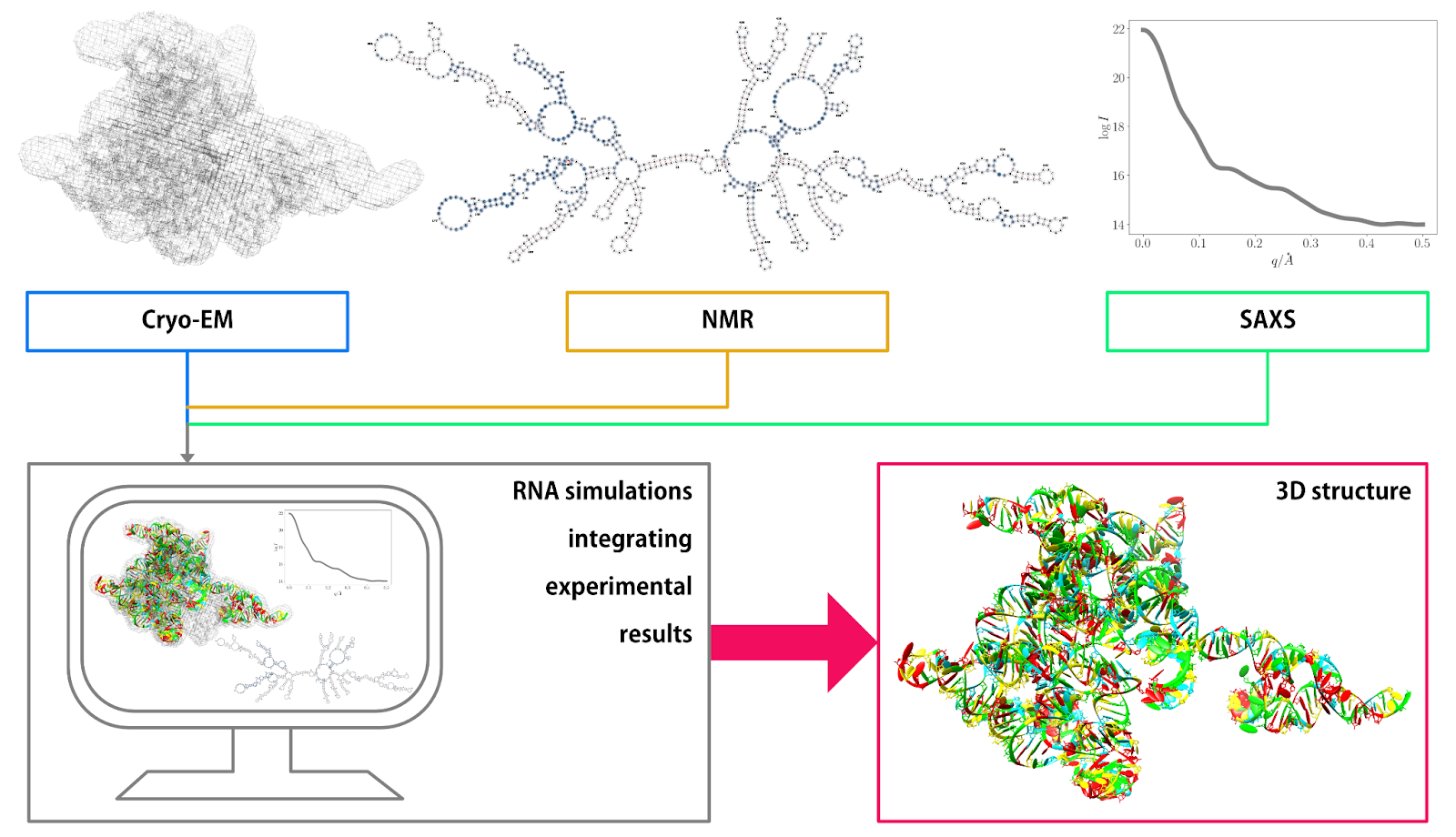
- SAXS-driven molecular dynamics simulations for RNA folding
- NMR constraints on RNA 3D structure molecular modeling
- Cryo-EM maps for single structure modeling and ensemble refinements

Integrative RNA modeling 2: SHAPE probing
Lecture by Ivo Hofacker (TBI Vienna, Austria)
[Lecture slides]
[Practicals for hands on session]
- Chemical probing methods
- From reactivities to pseudo-energies
- Structure ensembles
- Mutate and map
- Crosslinking methods
RNA-based Therapeutics and Biotechnology
Lecture by Michael T Wolfinger (TBI/RNA Forecast)
[Lecture slides]
- Introduction to RNA-based approaches in modern medicine
- Overview of nucleoside analogues as antiviral agents, diving a bit into lethal mutagenesis & error catastrophe concepts
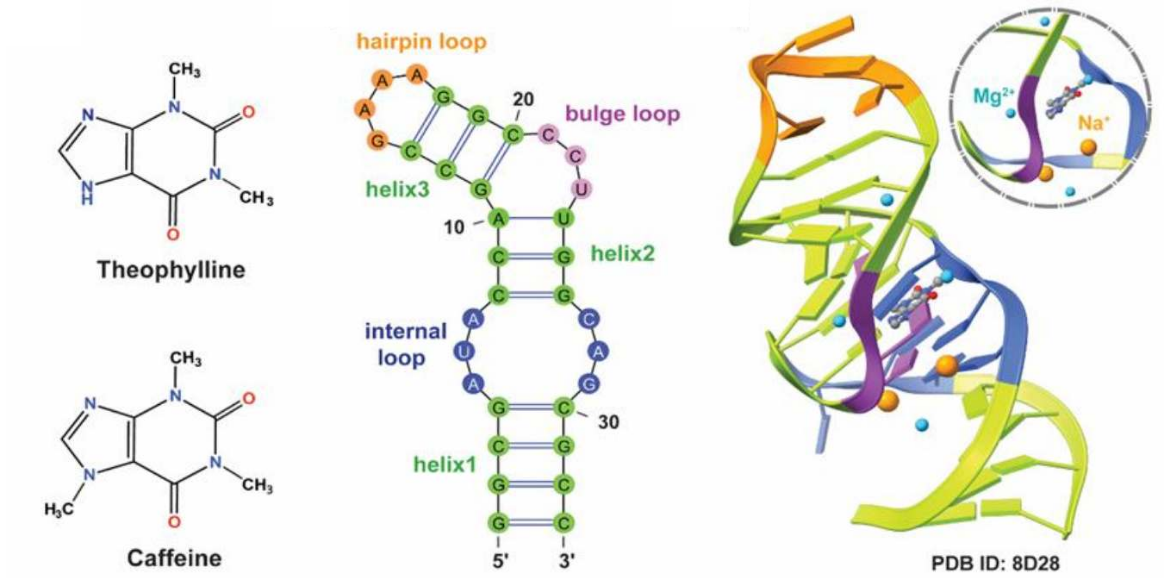
- Conceptual basis of RNA aptamers and their application, possibly with some of our current research mixed in
- Molecular principles underlying RNA as target and as drug
- Outlook on future directions in RNA therapeutics